The Fiat Lux seminar program welcomes and encourages faculty and students to engage with a wide range of topics in a seminar setting with just 20 students. The Sports Lab has offered seminars that elevate topics related to equity, diversity, gender, and universal sport. Read this news post for the ongoing list for DS Sports Lab seminars.
Last Updated: February 27, 2026
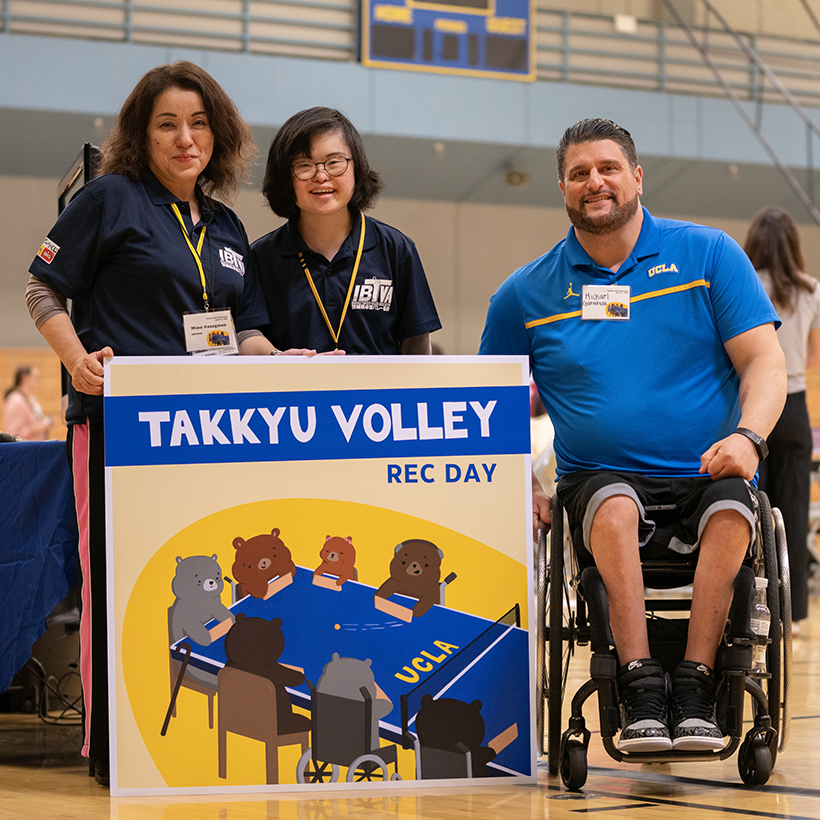
Takkyu Volley and Universal Sports in Practice
Spring 2026 | DIS STD 19
Instructors: Assistant Vice Provost Leigh Harris, Dr Fred Ariel Hernandez, and Yuriko Matsuo
Students learn about a new sport called takkyu volley, or table tennis volleyball. This innovative sport from Japan is promoted as a universal sport, designed to be playable across disability, age, and prior athletic experience. Study uses takkyu volley–still emerging sport in U.S.–as hands-on way to explore how sports are socially designed. Study looks at how rules, equipment, pacing, communication, and space shape who can participate and how. Students move between classroom and court to learn history, rules, and inclusive norms of this sport, while actively playing and rotating player roles. Study situates takkyu volley within broader comparative conversations about disability sport and inclusive recreation in Japan and U.S. Class culminates in friendly tournament that highlights sport as shared, community-building practice.
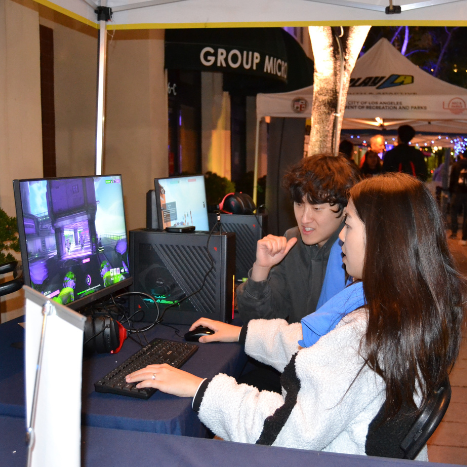
From Console to Community: E-sport, Disability, and Active Play
Spring 2025 | DIS STD 19
Instructors: Dr. Celina Shirazipour and Dr. Fred Ariel Hernandez
Intersectional issues in E-sport span from its rise as competitive industry to pressing questions of access, disability, and rehabilitation. Inclusion of disabled athletes in professional and amateur E-sports appears across industry-sponsored leagues and grassroots gaming communities. Examination of disabled E-sport athletes’ experiences; role of adaptive technologies in competitive gaming; and challenges posed by tournament structures and sponsorship models. Emergence of active E-sport motion-based or virtual-reality-integrated gaming raises new questions about competition and extended community engagement. International adaptive sports programs are experimenting with active E-sports in global competitions, exploring how they may be leveraged to promote physical activity and social connection. Through historical and contemporary examples, students gain insight into how E-sports shape broader societal debates on sport, rehabilitation, and accessibility.
Motor Sports and Society
Winter 2025 | Gender 19
Instructors: Prof. Sharon Traweek and Dr Fred Ariel Hernandez
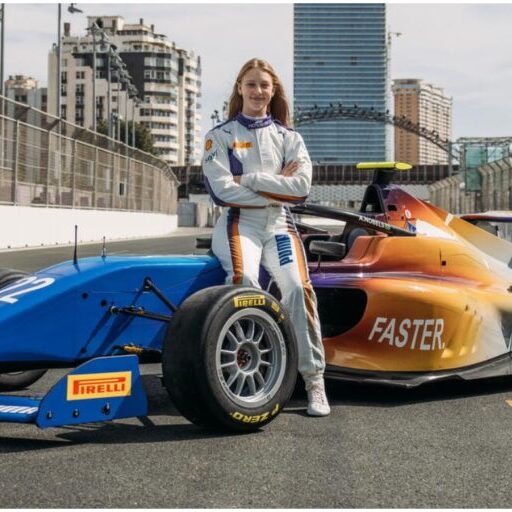
Exploration of changing intersectional issues in motor sports, post-World War II to present, relative to other sports and STEM fields. Study addresses array of gendered roles in motor sports from audiences, fandom, reporters, and advertising agents to management, engineering, strategy team members, and drivers. Topics include careers of women drivers, from wealthy sportscar racers to current programs for broader access to Formula One. Exploration of intersectional factors affecting access to motor sports such as gendered debates on bodies, society, sport, competition, and STEM. Through historical and contemporary examples, students become informed about how cultural norms and expectations have shaped various types of motors sports throughout their history, and how that relates to gendered engagements with other sports and STEM fields. Study asks what is revealed by exploring gender, sports, STEM, and society together through lens of motor sports; and how to design research questions about these topics.
Motorsports in Society: Disability, Innovation, and Adaptive Technology in Motion
Fall 2025 | DIS STD 19
Instructors: Prof Sharon Traweek, Dr Fred Ariel Hernandez, and Steven Meckna
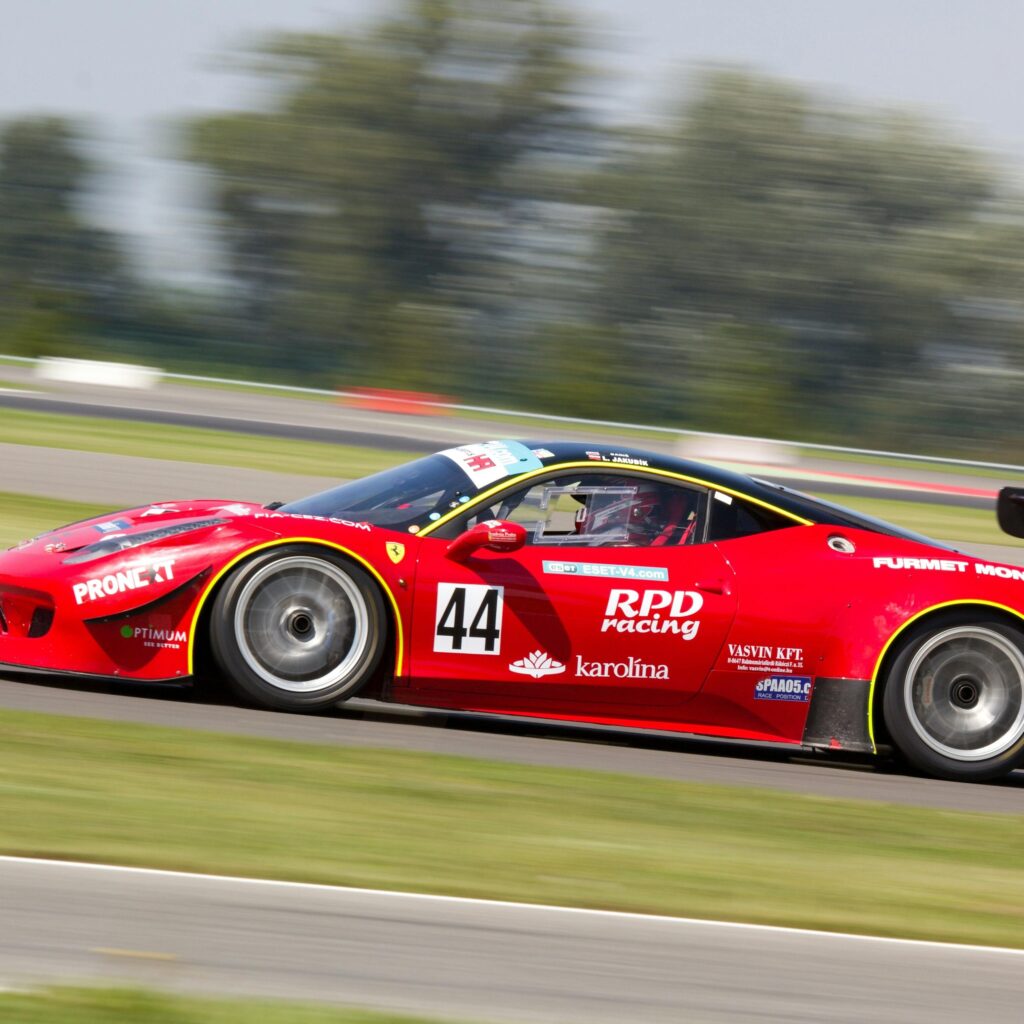
Study asks how motorsports reflect and resist broad social and cultural shifts in access, inclusion, embodiment, and innovation using ideas from disability, entrepreneurial, innovation, intersectional, and media studies perspectives. Neurodivergent and physically disabled drivers, i.e., Robert Kubica, Lando Norris, George Russell, Frederic Sausset, and Alex Zanardi–show what combinations of changing technology, technique, strategy, image, representation, society, and people make difference in high-performance racing. Motorsports include many activities: racing, strategizing, coaching, building, maintaining, designing, researching, testing, writing, imaging, marketing, reporting, attending, regulating, and measuring; at many sites: factories, garages, studios, labs, offices, tracks, and grandstands; with many materials and devices. Study asks what happens and changes when people with physical and cognitive differences engage with that world? Study also considers where innovation and entrepreneurship are in that ecology; and what are their catalysts and obstacles.