2025-26 Açıksöz & RVRPP
A partnership that brought together participants from RVRPP to photograph and tell stories about their homes, neighborhoods, mobility, and moments of joy.
This project emerged from Salih Can Açıksöz’s longstanding engagement with different groups of people living with violently acquired disabilities. This engagement led him to examine gun violence as an important source of injury and debility in Los Angeles, while situating it within a broader landscape of disablement in the city. From a critical disability studies perspective, that landscape is shaped by systemic racism, mass incarceration, punitive drug and immigration regimes, the deepening housing crisis, and the ongoing withdrawal of public welfare. Rancho Los Amigos’ Violence Recovery and Prevention Program (RVRPP), which combines violence prevention with long-term support and peer mentorship for people living with disabilities, offered a particularly important site for exploring these connections.
Can approached RVRPP director Walter Afable to discuss what a meaningful collaboration might look like. Because Rancho already had an established interest in photography and some of the infrastructure needed for photography training, they decided to build the collaboration around visual storytelling. Working with Walter—himself a photographer—and technology specialist Spencer Toledo, the project developed a series of photography workshops and purchased equipment to support participants’ technical needs. Participants then began photographing their everyday worlds in response to a series of concrete prompts, producing the body of work that became At Eye Level.
Partners
Participants
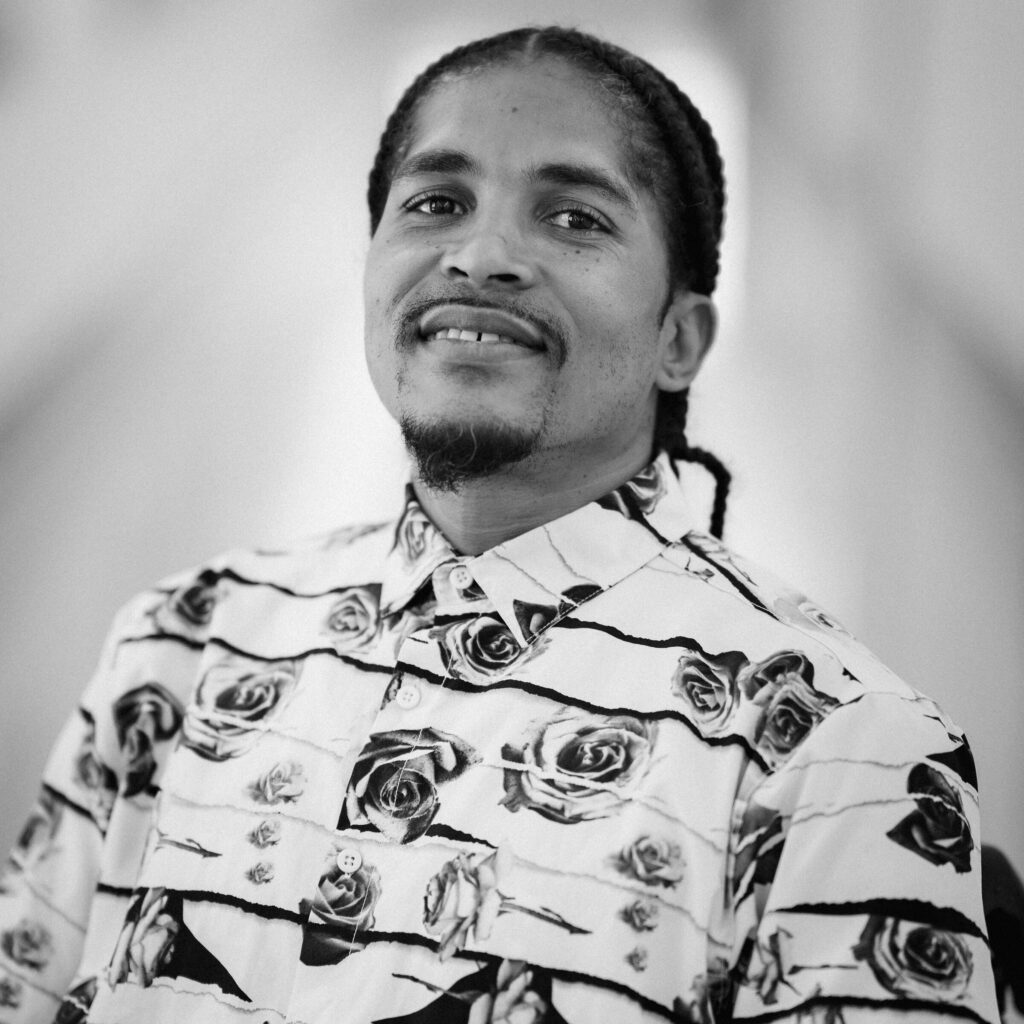
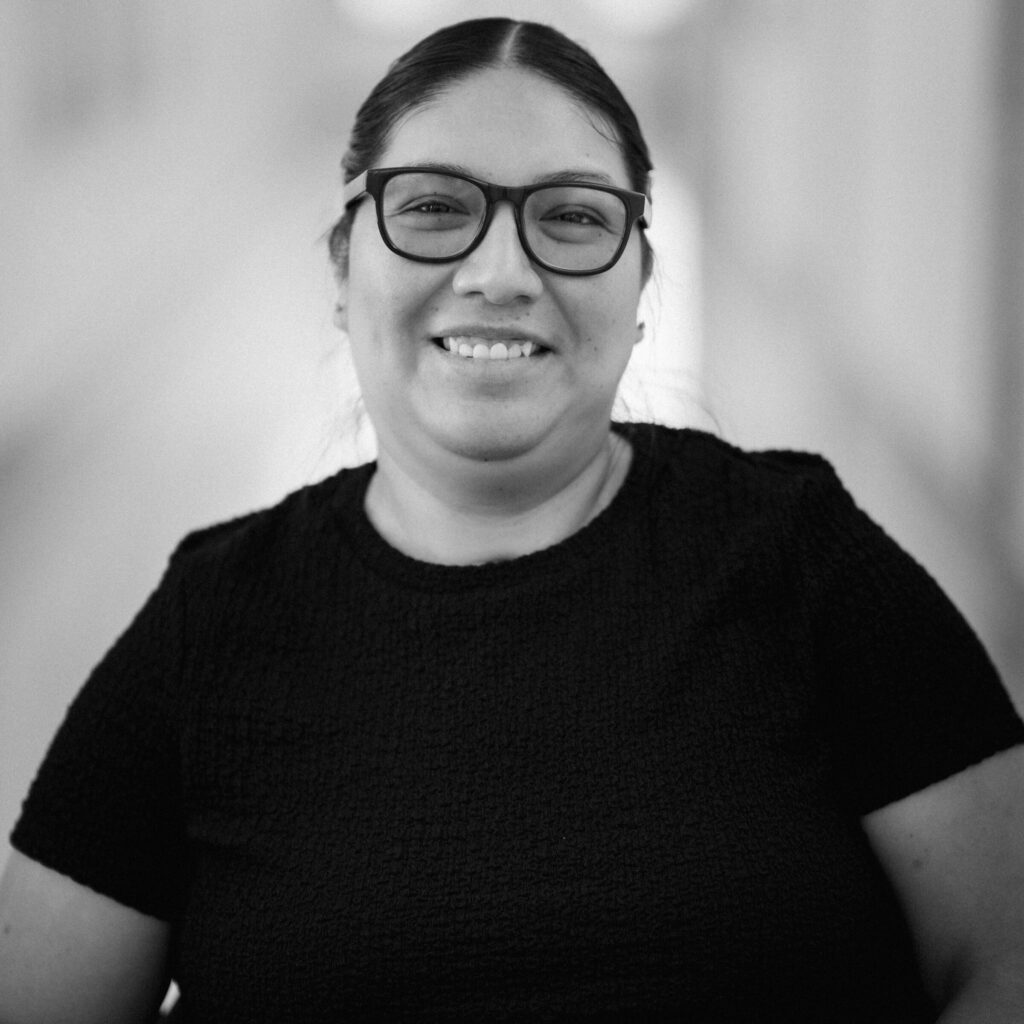
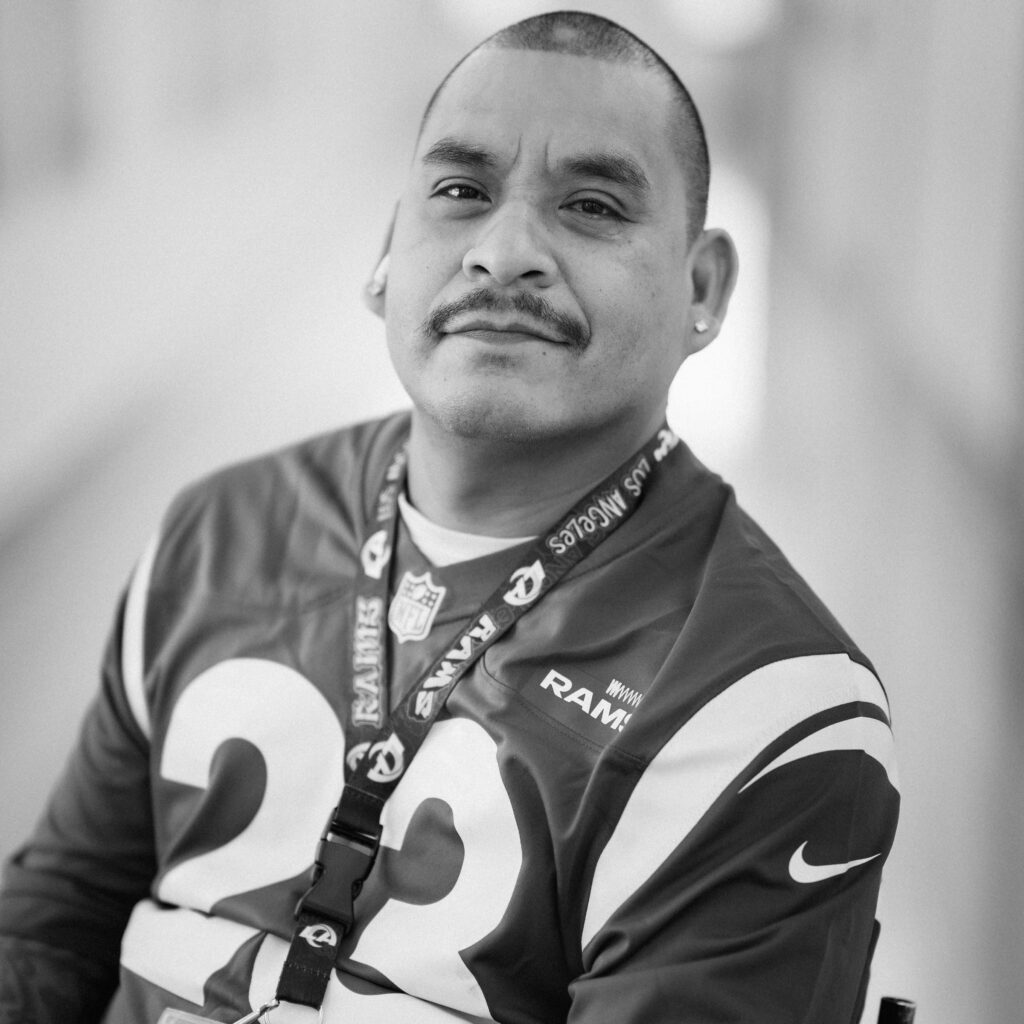
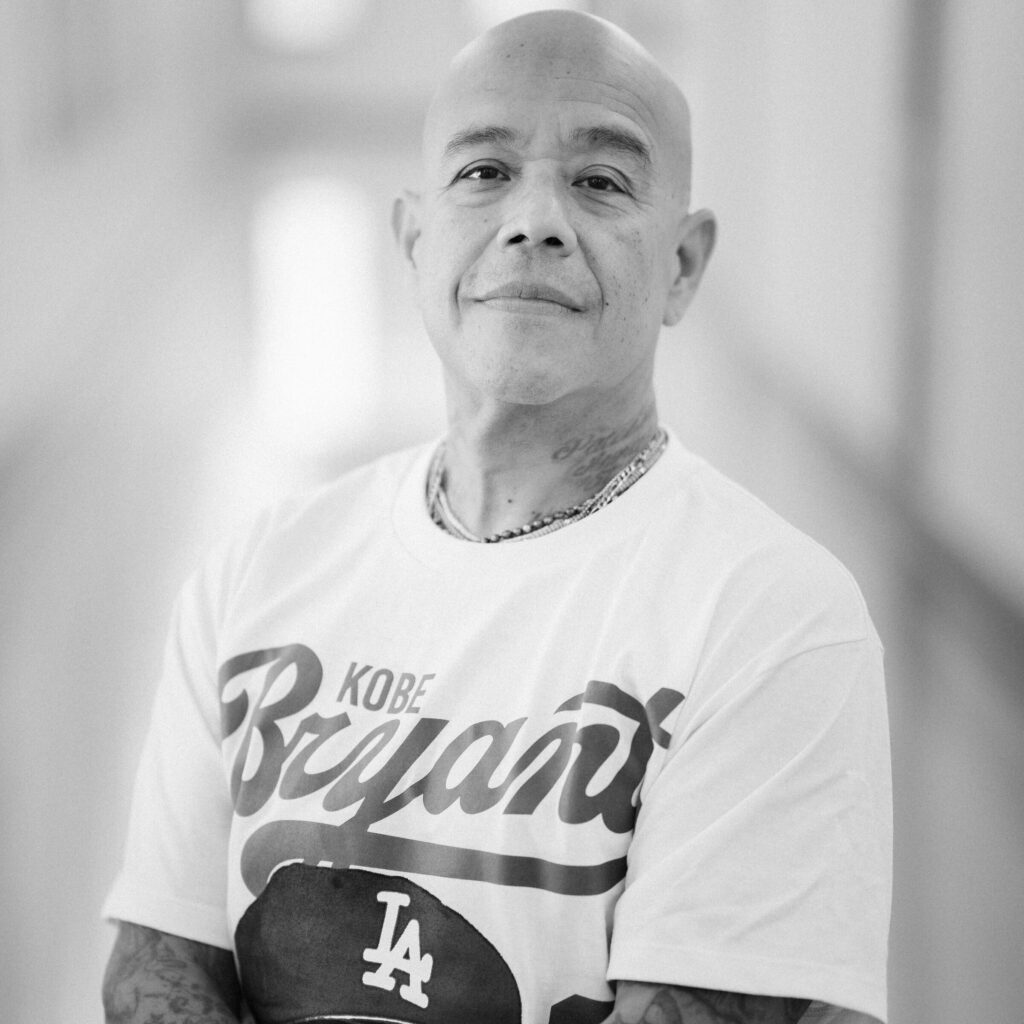
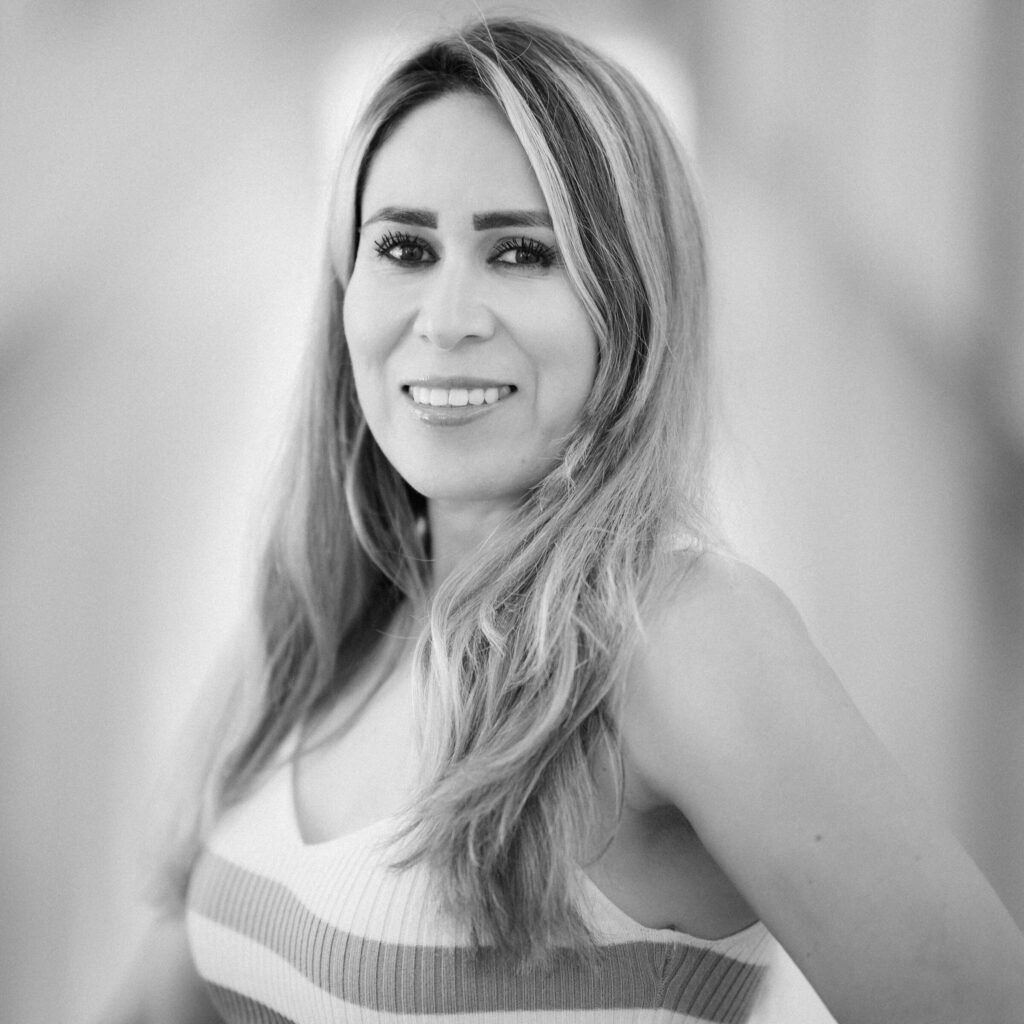
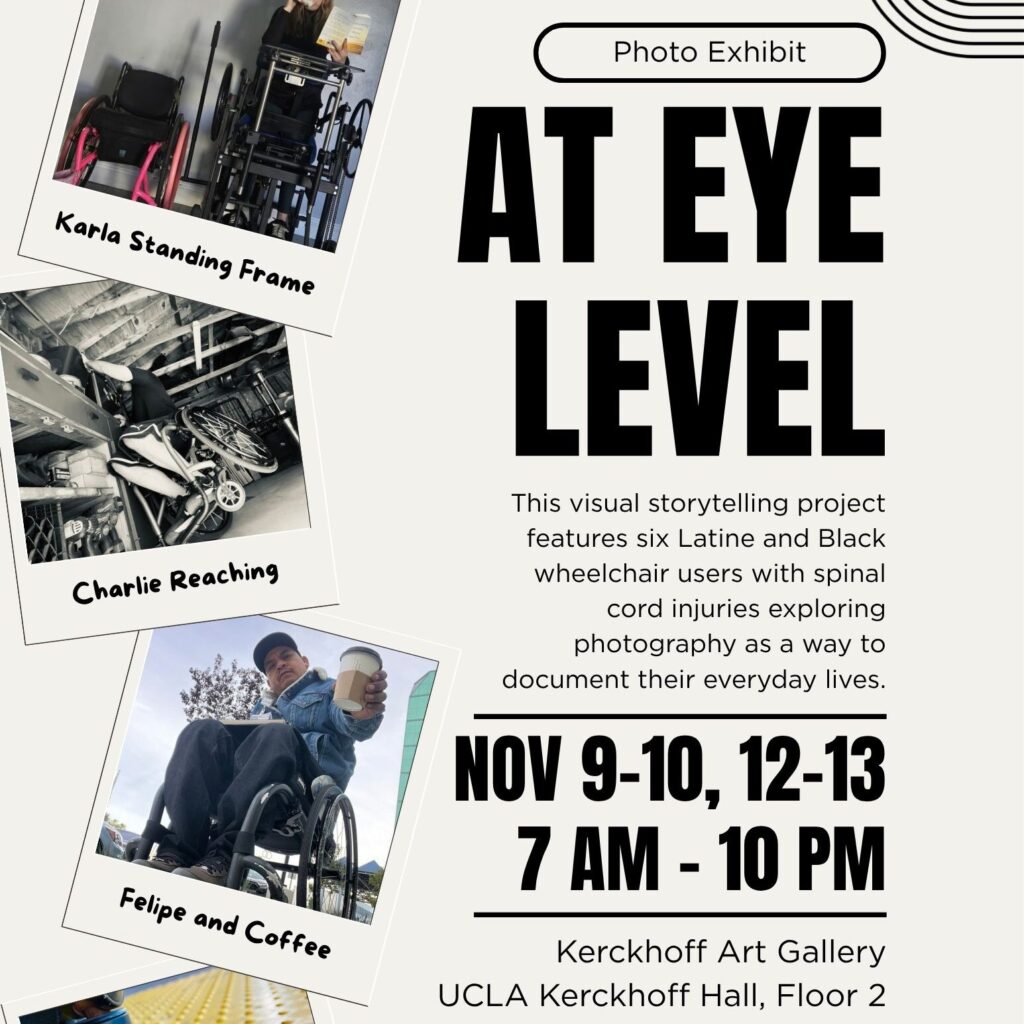
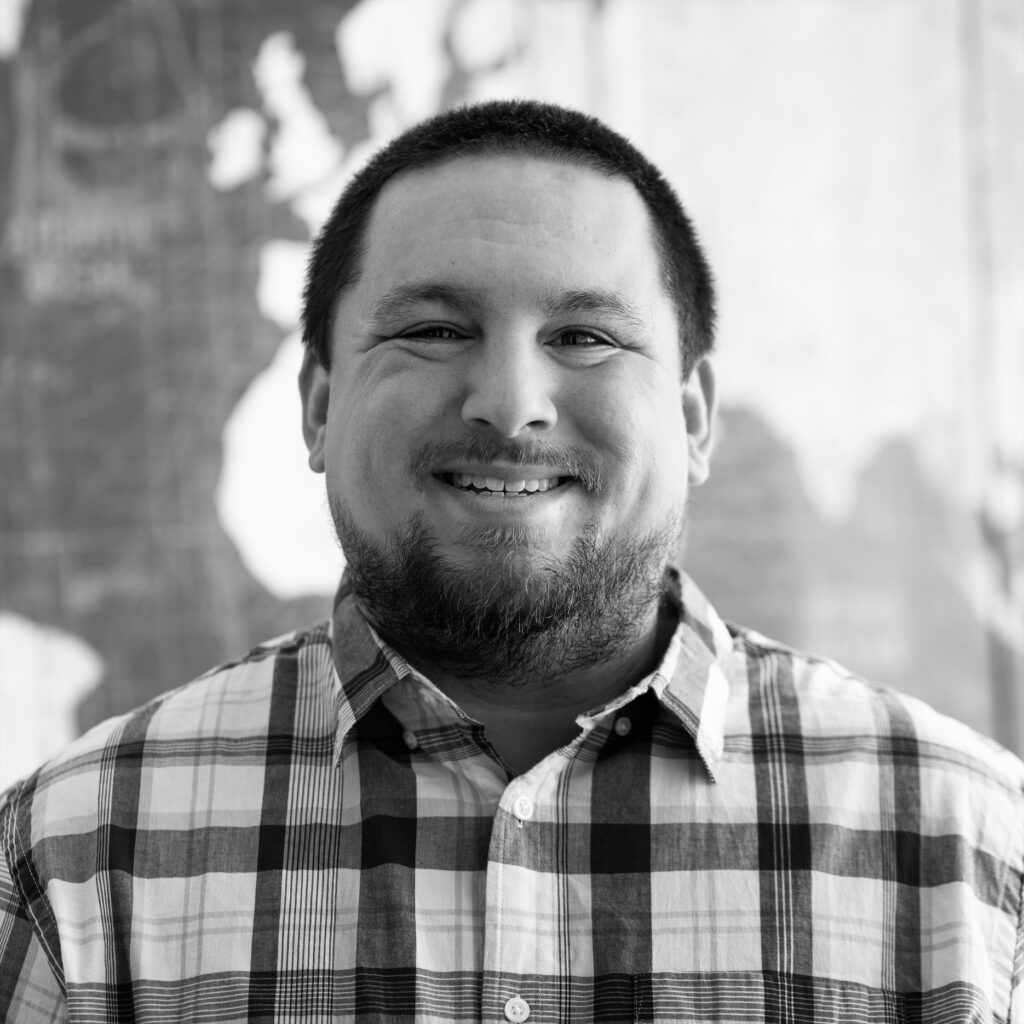
This visual storytelling project features six Latine and Black wheelchair users with spinal cord injuries exploring photography as a way to document their everyday lives.
Learn more about the photo exhibition and opening reception.
Foundational Ideas
Early Intentions Summer 2025
Looking at Los Angeles through a disability justice lens requires confronting how disability is produced through the intertwined forces of systemic racism, mass incarceration, punitive drug and immigration regimes, the deepening housing crisis, and the ongoing withdrawal of public welfare. Violence prevention programs such as Rancho’s Violence Recovery and Prevention Program (RVRPP) play a crucial role in advancing disability justice within this landscape.
Many of the participants who enter Rancho’s RVRPP after sustaining life-altering gunshot wounds come from working-class Black and Latinx communities disproportionately exposed to interpersonal and police violence, racial segregation, and chronic public disinvestment. Their encounters with public institutions are often shaped by racialized and carceral forms of care and punishment that profoundly influence their recovery and future life trajectories. In this context, violence prevention work is not simply about interrupting discrete incidents of harm, but about addressing the structural and relational conditions that generate cycles of personal, interpersonal, and community violence through long-term accompaniment, peer mentorship, and institutional support for survivors—people otherwise left to navigate recovery, reintegration, and bureaucratic systems largely on their own.
Visual Ethnography Traditions
Building on participatory visual ethnography traditions, this project invites disabled survivors of gun violence and incarceration to visually document their worlds through photography.
A photo-ethnographic method that centers survivors’ perspectives, embodied knowledge, and creative practices is uniquely suited to this collaborative endeavor. Black and Latine survivors of violence are routinely represented by others through sensational media coverage, policing, and surveillance and made hypervisible within racialized visual regimes. This project reclaims the camera as a tool of self-representation by enabling participants to turn the lens toward their own bodies, neighborhoods, everyday practices, and forms of healing. In doing so, the collaboration aims to create an accessible and non-objectifying visual storytelling archive that approaches violently acquired disability beyond the narrow scripts of victimhood and criminality.